
Champagne Cocktail
Bubbles, sugar and bitters.
A sugar cube soaked in Angostura, a splash of cognac and well-chilled champagne. The cube dissolves slowly, sending up a steady stream of bubbles: an elegant classic for toasting.
- IBA · Contemporary Classics
- Aperitif
- Built
- Glass
- Flute
- Method
- Built
- Strength
- Light
- Time
- 2 min
- Difficulty
- Easy
- Ice
- No ice
Ingredients
Measures for 1 serving
-
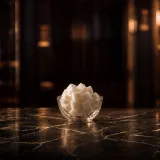 Sugar cube
1
-
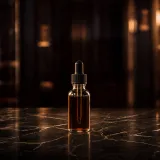 Angostura bitters
2 dashes
-
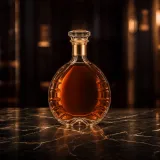 Cognac
10 ml
-
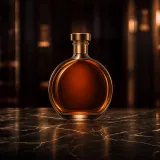 Grand Marnier (optional)
to taste
-
 Champagne
90 ml
Garnish
- Orange twist
- Maraschino cherry
Proportions
How to make
- Chill a flute.
- Place the sugar cube in the glass.
- Soak the cube with two dashes of Angostura.
- Add the cognac.
- If desired, add a few drops of Grand Marnier.
- Slowly top with chilled champagne.
- Garnish with orange zest and a maraschino cherry.
The story
Origins
DocumentedOrigin attested by written sources of the time.
It is one of the oldest cocktails, documented as early as the mid-nineteenth century. The first known written description appears in 1855 in Robert Tomes's book Panama in 1855: champagne, sugar and bitters served over crushed ice, without brandy. Jerry Thomas also records it in the same essential form in his famous 1862 manual. For decades the major recipe books, up to the Savoy Cocktail Book of 1930, kept presenting it without any spirit. Cognac seems to have entered the recipe for good only later: according to Difford's, the first version with brandy is in W. J. Tarling's Café Royal Cocktail Book (1937). The current IBA recipe includes cognac and, optionally, a few drops of Grand Marnier.
Sources (3)
- Difford's Guide — Champagne Cocktail (opens in a new tab) recipe and history
- Wikipedia — Champagne cocktail (opens in a new tab) recipe and history
- IBA — Champagne Cocktail (opens in a new tab) recipe
Taste profile
- Bubbly
- 4 out of 5
- Dry
- 3 out of 5
- Bitter
- 2 out of 5
- Sweet
- 2 out of 5